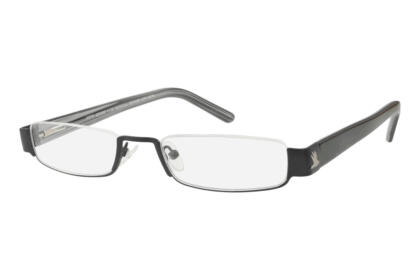
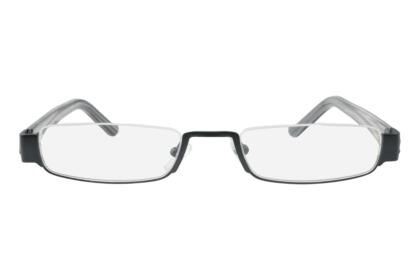
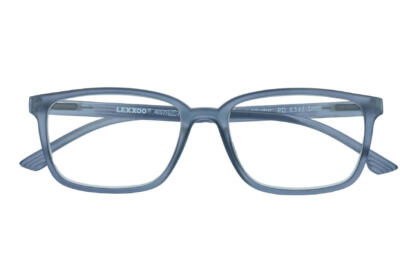
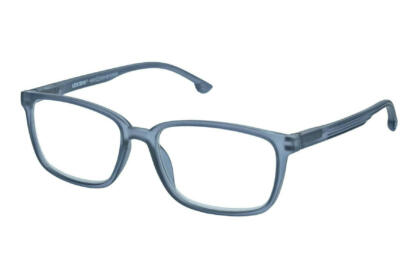
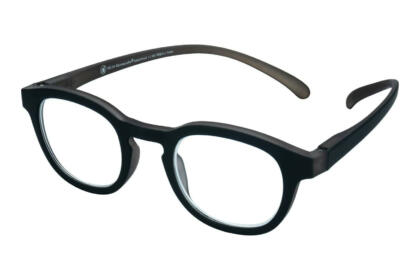
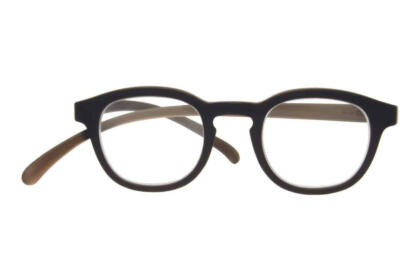
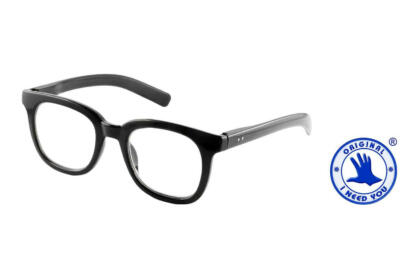
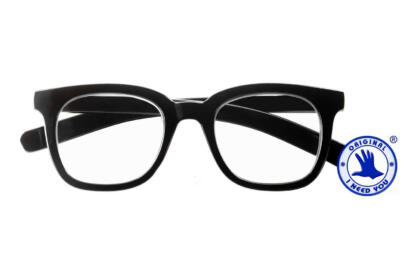
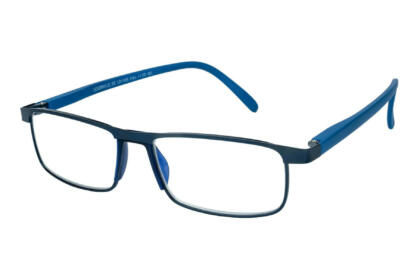
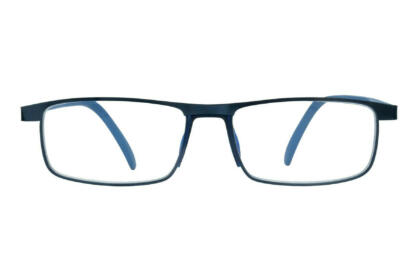
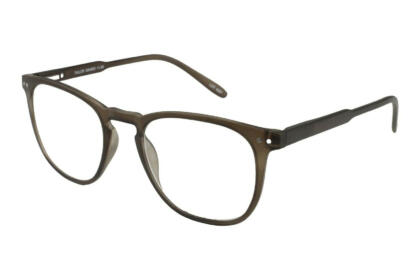
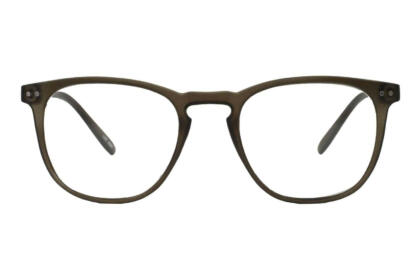
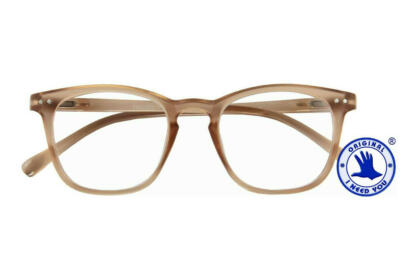
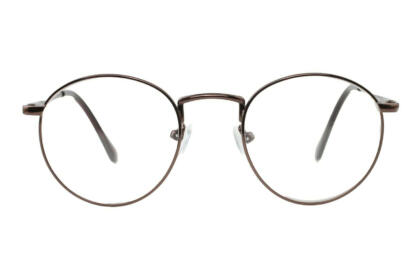
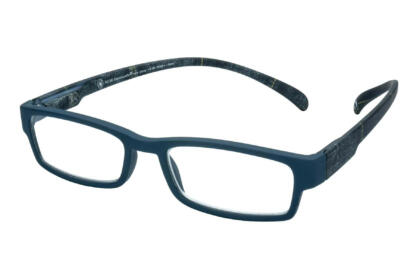
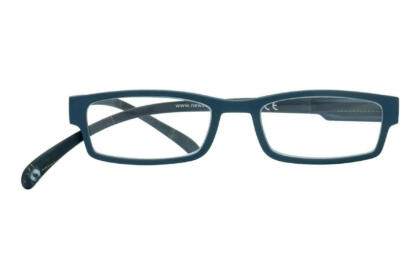
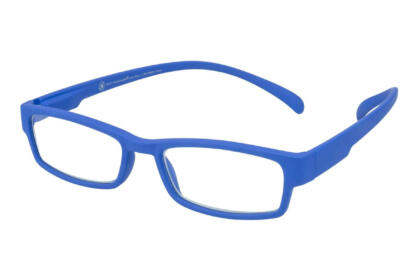
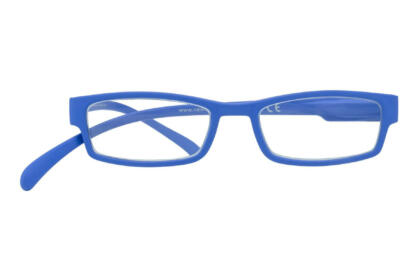
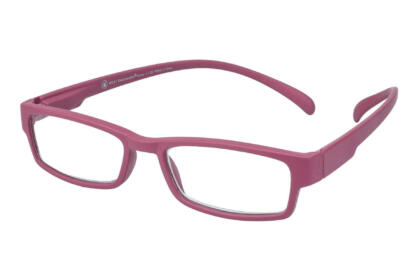
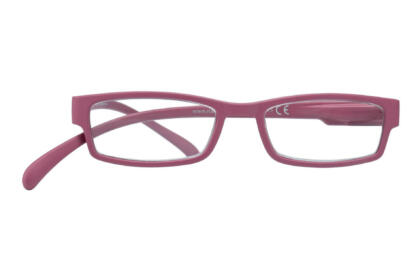
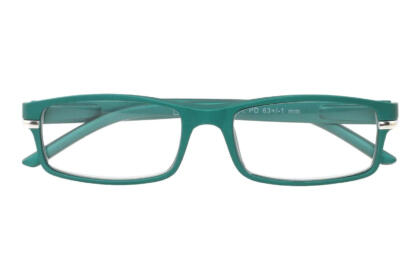
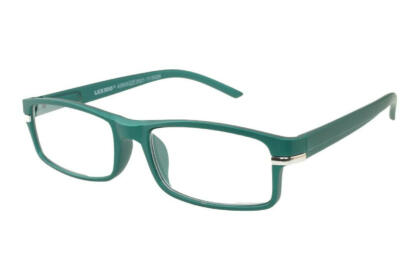
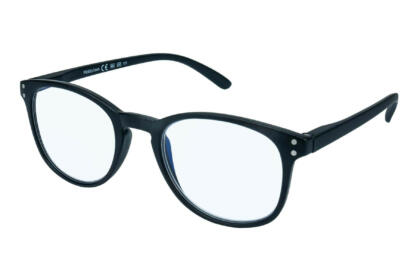
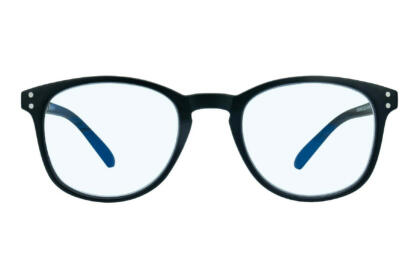
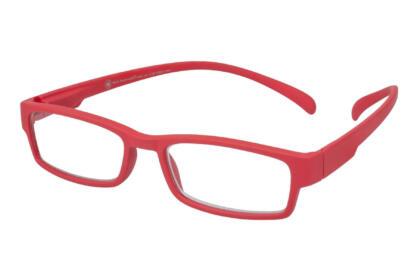
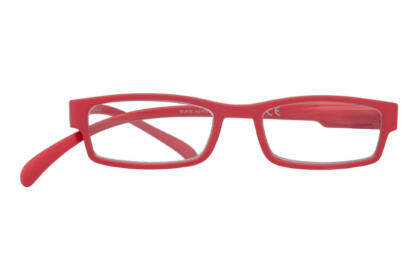
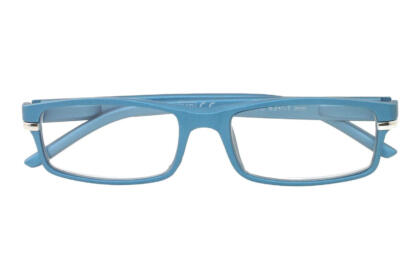
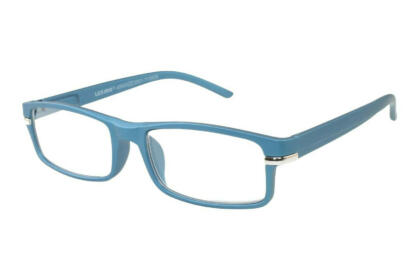
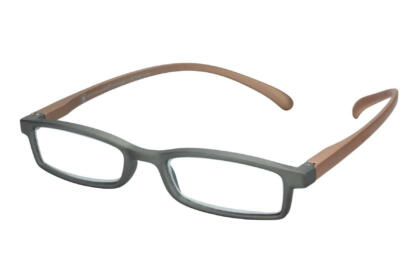
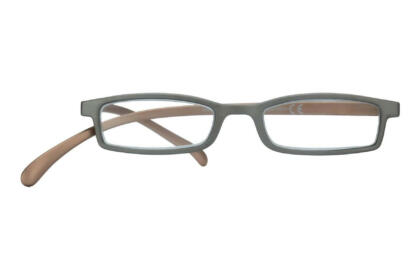
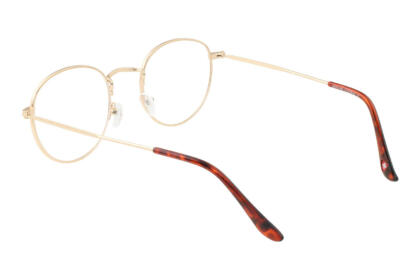
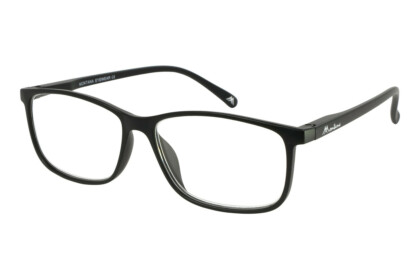
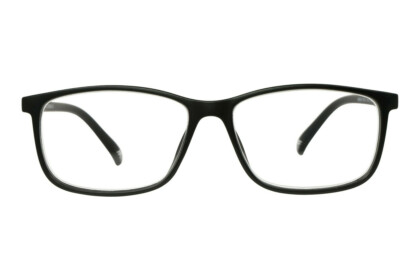
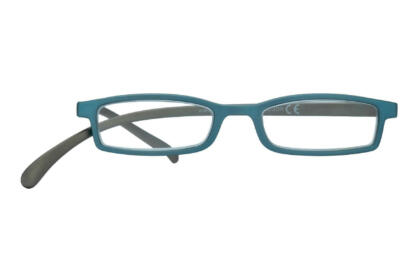
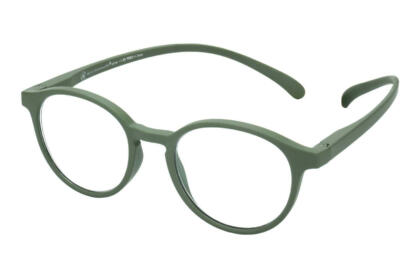
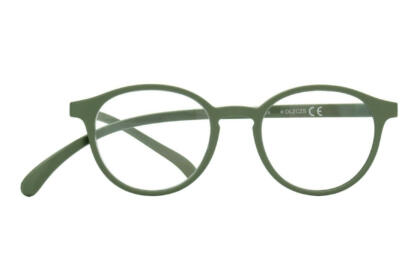
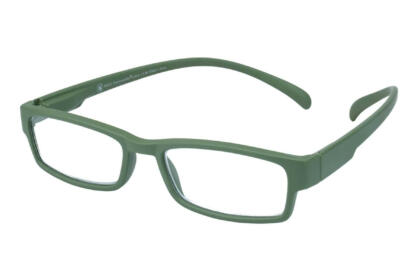
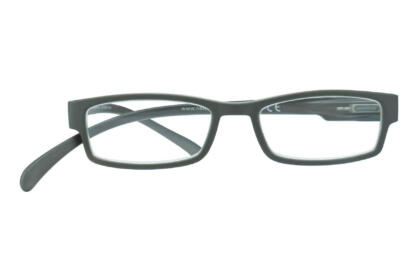
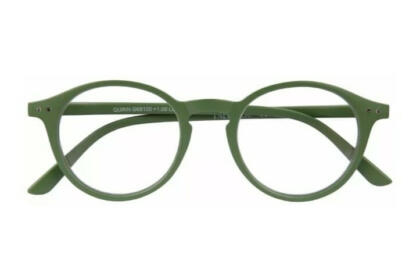
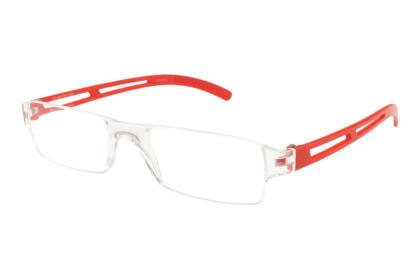
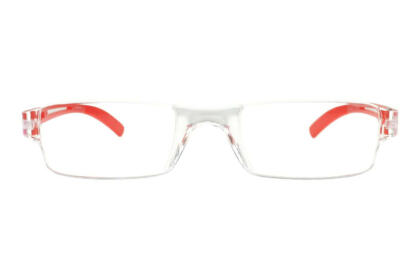
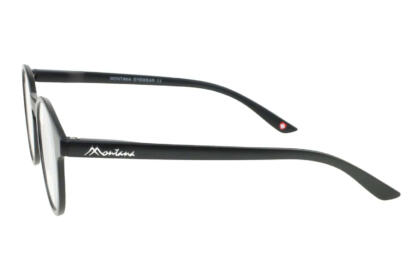
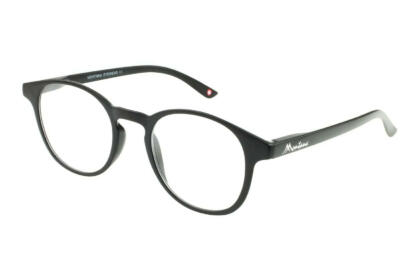
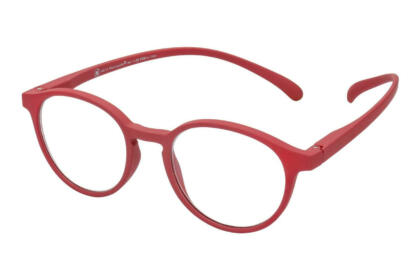
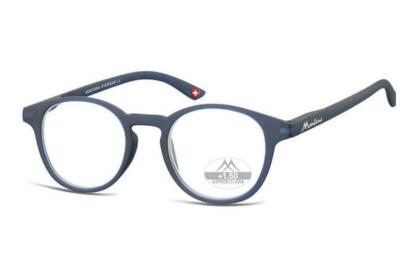
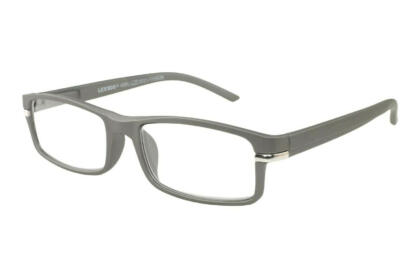
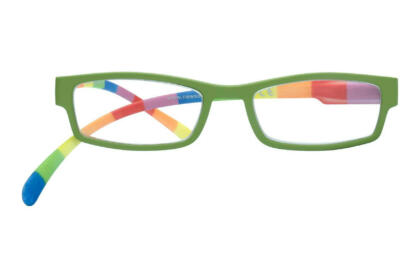
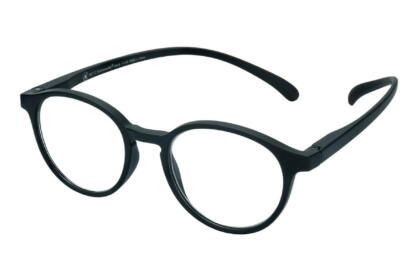
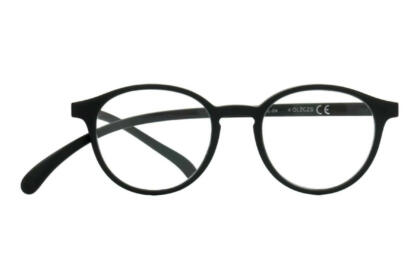
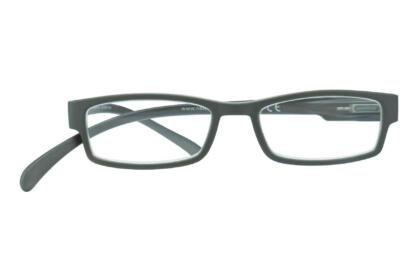
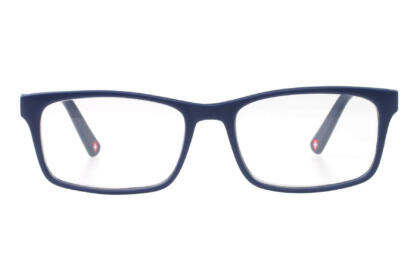
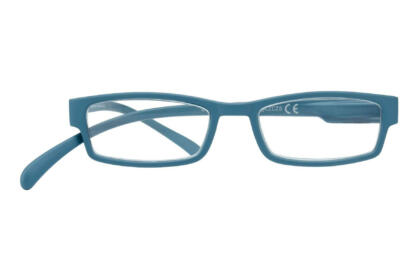
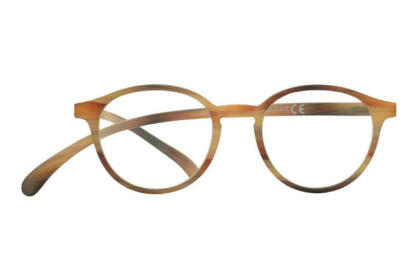
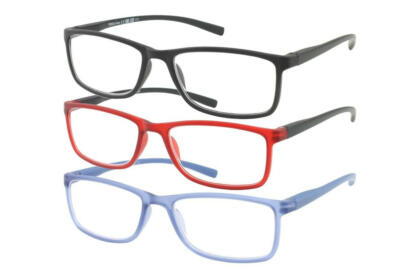
Reading glasses with a +1.5 diopter prescription provide mild to moderate
support for near vision. They may be right for you if small print
is becoming increasingly blurry, your eyes tire more quickly while reading, or you
have to hold text farther away from you.
+1.5 is often chosen when +1.0 is no longer sufficient, or
when a slightly stronger
magnification is needed for comfortable reading at your usual distance. Whether +1.5 is right for you depends on your
individual visual acuity, reading distance, and the activity at hand.
What are +1.5 reading glasses used for?
As we get older, it can become more difficult to see nearby text clearly
. Reading glasses with positive diopters help the eyes
see up close. +1.5 provides mild to moderate magnification
and can be comfortable, for example, when reading books, newspapers, or text on
a smartphone.
Important to Know
Ready-made reading glasses have the same power in both lenses. If your eyes
have different powers, if you cannot see clearly at a distance, or if you have other
vision problems, a pair of custom-fitted glasses may be a good option.
A Comparison of Reading Glasses Powers
power
Classification
Typical uses
+1.0
Minor support
Initial difficulties with short texts
+1.5
Light to moderate support
Reading at a typical close range
+2.0
Moderate support
Books, smartphones, and other close-up reading material
+2.5
Better support
Reading at a closer distance
+3.0
High support
Very short reading distance
+3.5
Highest power in the product line
Particularly short reading distance
This information is for guidance only. The appropriate power depends
on your visual acuity and your desired reading distance.
Still unsure about the power?
With our quick vision test, you can check whether +1.5 might be a suitable option for you at
. If you experience discomfort, headaches,
sudden changes in vision, or differences in your eye prescriptions, we recommend
that you see an optician or ophthalmologist.
Frequently Asked Questions About Reading Glasses with +1.5
Who should use reading glasses with a +1.5 prescription?
+1.5 may be suitable for people who find small print increasingly blurry at their usual reading distance
or for whom +1.0 no longer provides sufficient support
. It offers mild to moderate
support for near vision.
Is +1.5 a pair of reading glasses with a high power?
+1.5 is on the lower end of the reading power range. It is stronger than
+1.0, but provides less magnification than +2.0 or higher powers.
The key factor is whether you can read comfortably
and clearly at your preferred reading distance.
When should I switch from +1.0 to +1.5?
A change may be advisable if, with a +1.0 power, you can no longer comfortably read small text at
, your eyes tire more quickly while reading, or
you find yourself holding text farther and farther away from you. The new power should
always be tested at your usual reading distance.
At what age do you need reading glasses with a +1.5 prescription?
There is no set age for this. Presbyopia typically becomes noticeable in many people around the ages of 40 to 45 (
) and progresses at different rates (
). The key factor is your personal vision problems (
), not just your age.
Can I read with a +1.5 prescription on my smartphone or computer?
+1.5 can be comfortable for smartphones, tablets, or other activities at close range
. When using a computer, the viewing distance is usually greater
than when reading a book. Therefore, the power should always be tested for
the specific activity and at the actual viewing distance.
Can I drive while wearing reading glasses with a +1.5 prescription?
Reading glasses are designed for close-up vision and are not suitable for
distance vision or driving. For
the instruments in the vehicle, it may be helpful to seek separate advice.
Can I buy a pair of ready-made reading glasses with a +1.5 prescription without an eye exam?
This is generally possible if both eyes have similar vision and you know your appropriate reading prescription at
. If you are unsure, are experiencing discomfort, or
have different prescriptions for each eye, it is advisable to have an eye exam at an optician or
an ophthalmologist.